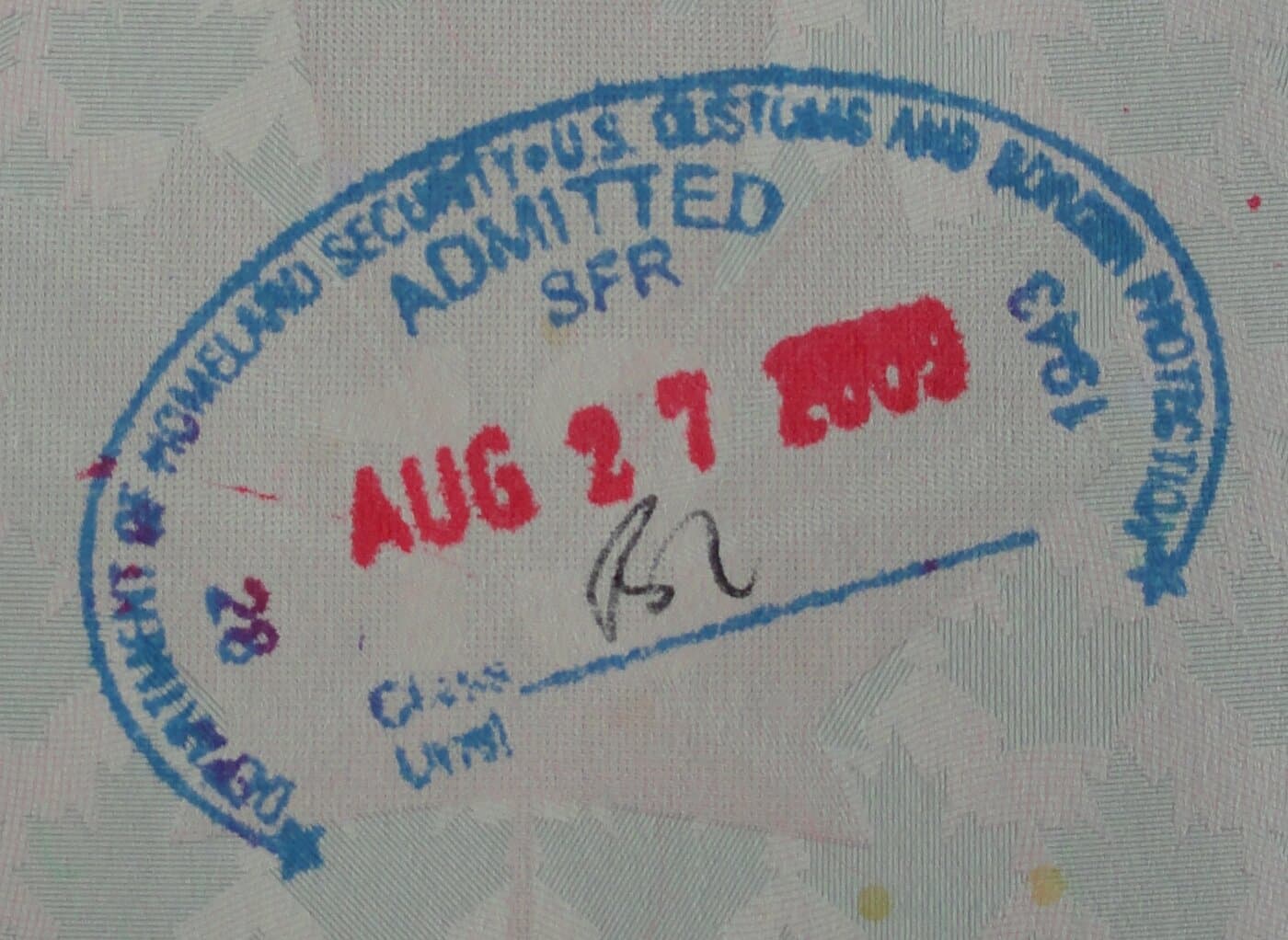
A student visa application is mostly an exercise in being organised. The rules differ from country to country and change from time to time, so always treat the official government website as your final source. This guide covers the documents and habits that help in almost every case.
Documents you will usually need
- A valid passport with enough time remaining, plus copies of any previous visas.
- Your offer or confirmation letter from the university, and any reference number it gives you.
- Proof of English ability, if it is required for your course or visa.
- Proof of funds showing you can cover tuition and living costs, often as bank statements held for a set period.
- Academic documents such as transcripts and certificates used to support your application.
- Passport-style photographs that meet the exact specifications.
- Health or insurance documents where the destination requires them.
- Payment receipts for visa fees and any required health surcharge.
Common mistakes that cause delays or refusals
- Applying too late. Processing times vary and can lengthen in busy seasons. Apply as early as you are permitted.
- Unclear financial evidence. Large unexplained deposits or missing statements raise questions. Keep records that show where your funds come from.
- Inconsistent information. Names, dates and course details must match across your forms, offer letter and passport.
- Missing or unofficial translations. If a document is not in the required language, use an accepted translation.
- Ignoring instructions. Follow the exact format, file size and upload rules for each document.
- Not being able to explain your plans. You may be asked why you chose this course, this university and this country — know your answers.
Tips for a smoother process
- Make a checklist and tick documents off as you collect them.
- Keep digital and paper copies of everything you submit.
- Read every form carefully before you sign or submit.
- Use only official websites and be wary of anyone promising guaranteed approval — no one can promise that.
When to ask for help
If your situation is complicated — a previous refusal, a gap in your studies, or unusual funding — get advice before you apply, not after. Our counsellors can help you understand what to prepare, though the decision always rests with the immigration authority.